
Prepping Your Plumbing for Winter
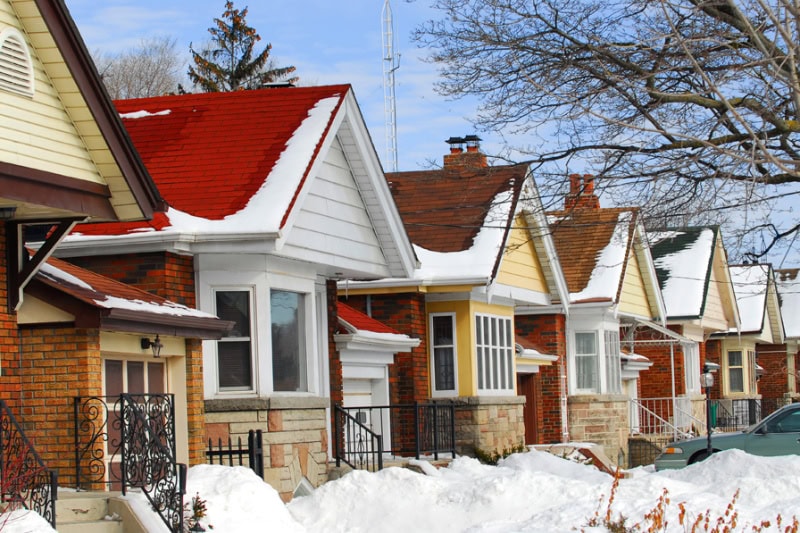
Imagine this winter, sitting in your Michigan City, home by the fire, looking out the window at the falling snowflakes while sipping your hot cocoa with marshmallows. Life is good—until you hear the loud rush of water somewhere in your Indiana home.
Your pipes just burst.
Frozen Pipes! Burst Pipes!
Unfortunately, this scenario is all too common here in Michigan City, despite being easily preventable. In fact, burst frozen pipes are so prevalent that the DOE’s Office of Energy Efficiency and Renewable Energy (EERE) has a map showing the probability of frozen pipes in different US geographical regions.
Before the thermometer dips below 32 degrees Fahrenheit, follow the plumbing-prep recommendations from the plumbing pros at Young Plumbing, and you will be on your way to ensuring life stays good.
How to Prevent Burst Pipes
Before the cold sets in, follow our tips with your plumbing components, and they should make it through the Indiana winter like a champ, preventing you from costly repairs and aggravating headaches:
• Outdoor spigots (also called hose bibbs): Well before the season’s first freeze, bleed your outdoor spigots of any residual water. Then, if your home is equipped with a separate shutoff valve for these spigots, turn the water off.
Even though these spigots are outdoors, your whole house suffers if they burst. If you have outdoor pipes that you can’t shut off, insulate them with a foam dome cover or heat tape, or consider having our plumbers replace them with frost-free models. You should be able to find the cover and tape at most hardware stores.
• Pipes/plumbing in unheated areas (such as crawl spaces or garages) or near exterior walls: Burst pipes in walls are both very messy and expensive. Note: This issue is particularly troublesome for mobile homes.
Wrap any exposed pipes with pipe insulation or heat tape. If possible, add insulation to the exterior walls to help protect those pipes.
• All indoor plumbing: During especially cold nights, consider keeping room-temperature water running from all your faucets (including showers/bathtubs) throughout the night, keeping it flowing just above a trickle. This wastes minimal water, and free-flowing water is less likely to freeze.
Opening your cabinet doors to expose your pipes to the home’s warmth can additionally help. This trick is highly recommended for any bathrooms with plumbing located against exterior walls. If your pipes have a history of freezing in a bathroom, try adding a space heater. Warning: Always monitor space heater use.
• Pipes with existing leaks: Any leaks you may have, no matter how small, must be repaired before the colder temps. A deep freeze can turn the smallest leak into a large rupture.
• Water heater: Have your water heater checked and flushed before winter sets in. Sediment is constantly slowly building, so having your water heater drained and flushed can ensure you will have hot water during the coldest months. It may even be a good idea to schedule your annual plumbing inspection for the same time to alert you to any other issues you may have.
• Well pump: If you have a well pump, you need to take steps to insulate it to prevent frozen or burst pipes. The best scenario is to have a well house or permanent covering for it. Even with the housing, you may need to keep a small amount of water continuously running when very low temperatures set in.
If your pump has a well cover, open it and lay a sheet of insulation around the wellhead and plumbing. Then, replace the cover and check that air can’t blow in.
Be sure to call our highly trained and experienced Young Plumbing plumbers for assistance or for any advice regarding the well-being of your well.
• Sump pump: Check your sump pump to make sure it is working correctly. You also want to make sure it is clean and everything drains properly, without clogs. You can pour water into the pit yourself to check the drainage.
Also, be sure to check and test your sump pump backup mechanism.
• When traveling: When leaving for an extended time, your first inclination may be to turn your heat way down to save energy. But your plumbing needs your furnace to remain at a minimum of 55 degrees Fahrenheit to help keep your pipes from freezing.
Consult our plumbers to discuss the possibility of turning off all the water while you are away. This option has pros and cons.
Let Us Help You Prep Your Plumbing for Winter
Taking the time to prep your home’s plumbing for the winter will give you peace of mind. This kind of peace comes with knowing you will be spending your money on the things you want–like cocoa and marshmallows––and not on unexpected and costly plumbing repairs.
Call the plumbers at Young Plumbing at 219-764-5500 or request service online to assist you in winterizing your Michigan City, IN, home’s plumbing today.