
How to Fix a Leaky Pipe (and When to Call a Plumber)
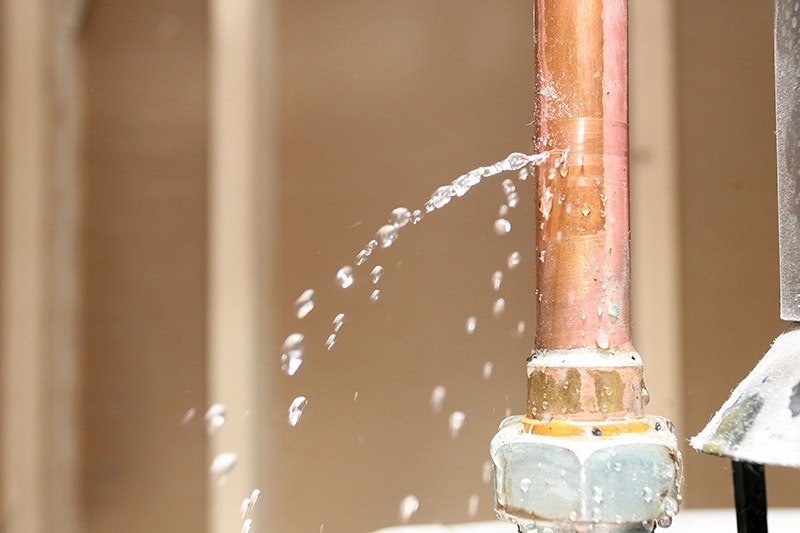
That little drip under the sink is easy to ignore. It’s quiet, it’s small, and you’ve got a million other things on your to-do list. But a leaky pipe doesn’t stay small. Left alone, it can lead to water damage, higher utility bills, and costly repairs.
The good news is that plenty of leaks are very fixable. Here’s how to repair a leaking pipe yourself, and how to know when it’s time to hand it off to a licensed professional from Young Plumbing. We provide a wide range of plumbing services in Crown Point, IN, and the surrounding areas, including pipe leaks.
Why Fixing a Leaky Pipe Can’t Wait
Leaks add up fast. The EPA reports that household leaks waste nearly 1 trillion gallons of water every year nationwide. The average home loses more than 9,300 gallons a year to leaks. That’s water you paid for and never used.
Then there’s mold. Per the EPA, water-damaged areas need to be dried within 24 to 48 hours to keep mold from taking hold. That’s a short window, and it’s one more reason to act quickly.
Common Causes of Pipe Leaks
Before you grab a wrench, it helps to know what you’re up against. Most leaks come from a handful of usual suspects:
- Worn washers, gaskets, and seals. Rubber parts wear out over time. This is the classic cause of dripping faucets and leaky fittings.
- Loose connections. Pipe joints and fittings can loosen with age and vibration.
- Corrosion. Older metal pipes can rust or pit, eventually creating pinhole leaks.
- Temperature swings. Pipes expand and contract with hot and cold. Freezing can crack them outright.
- High water pressure. Constant stress on your plumbing wears out joints and seals faster than you’d think.
How to Fix a Leaky Pipe: Start With the Basics
Not sure whether you even have a leak? The EPA suggests a simple check. Read your water meter, wait two hours without using any water, then read it again. If the number moved, something is leaking.
Once you know it’s a leak, here’s how to repair a leaking pipe (the easy version):
1. Shut off the water. Close the shutoff valve near the leak. If you can’t find it, use your home’s main shutoff. Then open a faucet to drain what’s left in the line.
2. Dry the area completely. Repair products won’t stick to a wet pipe, so wipe it down and let it dry.
3. Tighten or replace the culprit. Sometimes the fix is as simple as snugging up a loose fitting. For dripping faucets, a worn washer or gasket is often to blame, and replacing it is usually quick and cheap. A showerhead leak can often be solved with a tight connection and a wrap of plumber’s tape.
4. Patch a small pipe leak. For pinhole leaks or small cracks, you’ve got options at any hardware store. Self-fusing silicone tape, two-part epoxy putty, and pipe repair clamps all work for smaller leaks. Follow the package directions closely, especially the cure time.
5. Turn the water back on slowly. Watch the repair for a few minutes, then check again after an hour. Still dry? You’re in good shape.
A quick reality check: products like tape, putty, and clamps are often best treated as temporary fixes, especially on older or corroded pipes. If a patch holds, great. But keep an eye on it.
When to Call a Plumber for a Leak
Here’s the part where we’re honest with you: some leaks are not weekend projects. Knowing when to call a plumber for a leak can save you a lot more than it costs. Pick up the phone if:
- The leak is inside a wall, ceiling, or floor. If you can’t see or reach the pipe, you can’t fix it. Stains, bubbling paint, or warped drywall are big clues.
- A pipe has burst. Shut off your main water valve right away, then call a plumber.
- Your patch keeps failing. If you’ve fixed the same spot twice, the pipe itself is probably the problem.
- The pipes are corroded. Flaking, discolored, or pitted pipes tend to spring new leaks.
- Your water bill jumps, and you can’t find why. A hidden leak could be the culprit.
- Water pressure suddenly drops. That can point to a leak somewhere in the line.
- Sewage is involved. Contaminated water is a job for a pro. The EPA specifically recommends calling in a professional who has experience with sewage or other contaminated water damage.
- You’re worried about mold. If water damage covers a large area, or you suspect mold hiding behind walls or around pipes, an experienced professional is the safer bet. The EPA notes that mold covering more than about 10 square feet may call for professional cleanup.
Not sure which side of the line you’re on? Trust your gut. A quick visit from a licensed plumber with Young Plumbing is almost always cheaper than rebuilding a water-damaged room.
Don’t Let a Small Leak Turn Into a Big Bill
A leaky pipe is one of those home problems that rewards fast action. Catch it early, and you might be looking at a five-dollar part and an afternoon. Wait too long, and you’re looking at damaged drywall, mold, and a water bill that makes you wince.
So check under your sinks this weekend. Peek at your water meter. And if a leak is more than you want to take on, call Young Plumbing at 219.764.5500 or request service online to book one of our expert licensed plumbers in Crown Point, IN. Your home (and your wallet) will thank you.